Setting Up Your Dream Podcast Studio on Any Budget
By Liam Brooks
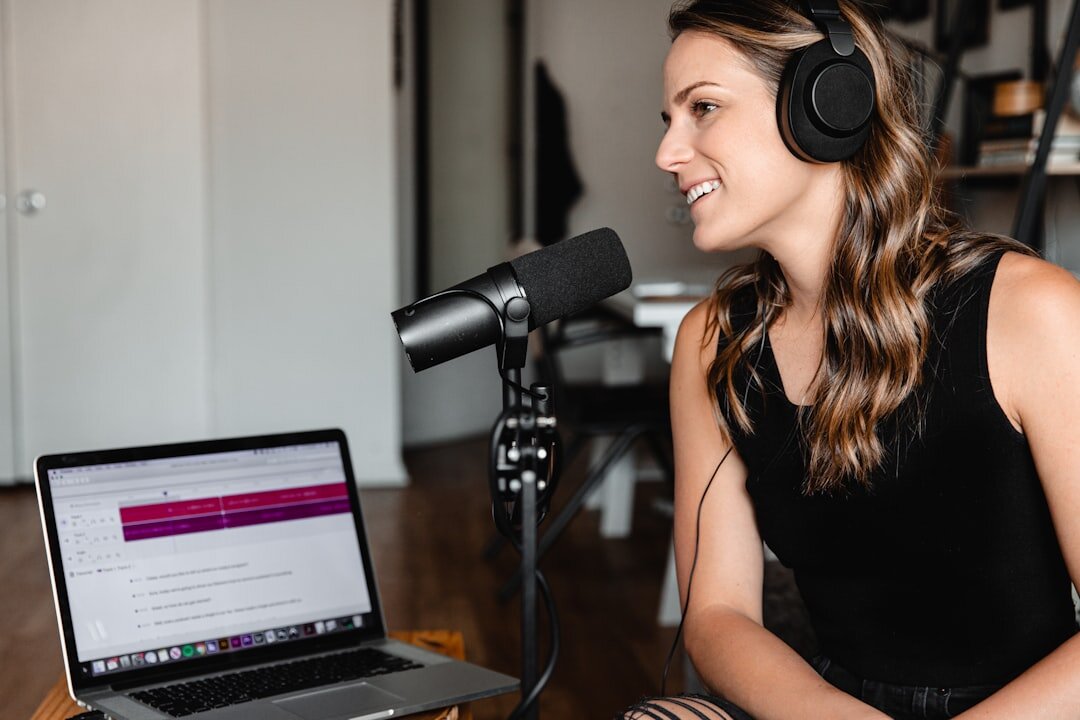
Starting a podcast is exciting, but setting up the right space can feel overwhelming if you are watching your spending. Many creators assume they need expensive equipment and a dedicated room to sound professional, yet that is rarely the case. With thoughtful choices you can create a setup that delivers clear audio and a comfortable environment whether your budget is tight or you have a bit more to invest.
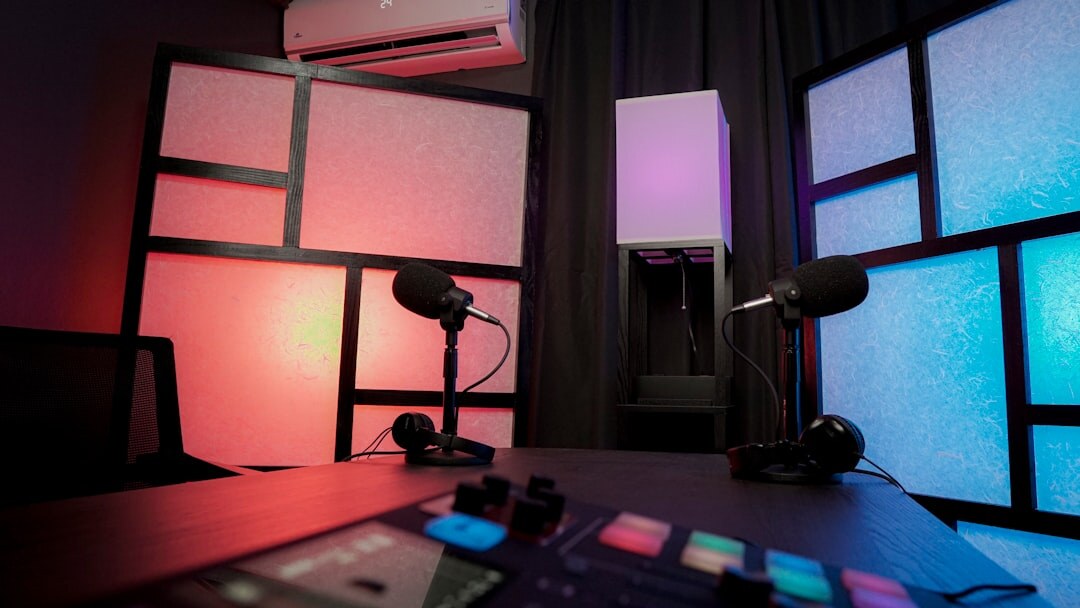
Assess Your Space First
Begin by looking at the room you already have. A spare bedroom corner, a walk-in closet, or even a quiet section of your living room can work well. The key is controlling echo and background noise. Thick curtains, bookshelves filled with books, and rugs on hard floors all help absorb sound without any special purchases. If you share the space, schedule recording times when the house is quiet to avoid interruptions.
Choose the Right Microphone
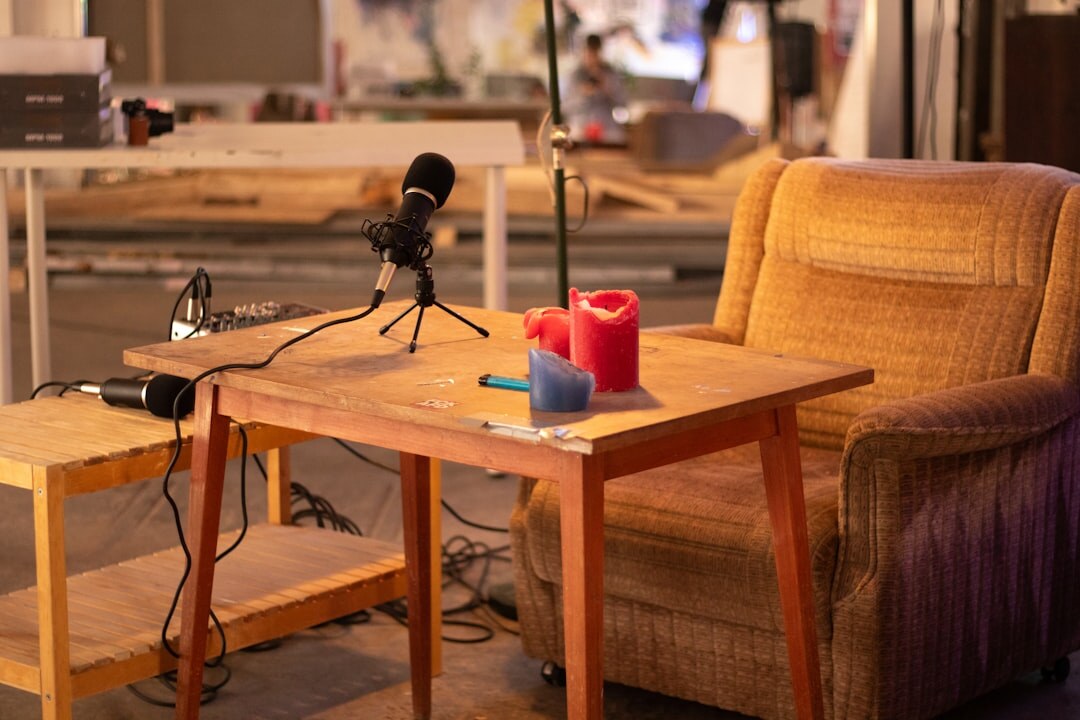
A good microphone is the single most important purchase. Entry-level dynamic mics deliver solid results for under two hundred dollars and reject room noise better than cheaper condensers. Pair it with a simple USB audio interface if your computer lacks the right ports. Many podcasters start with one mic and add a second later when co-hosts join. Test levels before every session and keep the mic about six inches from your mouth for consistent volume.
Handle Acoustics on a Budget
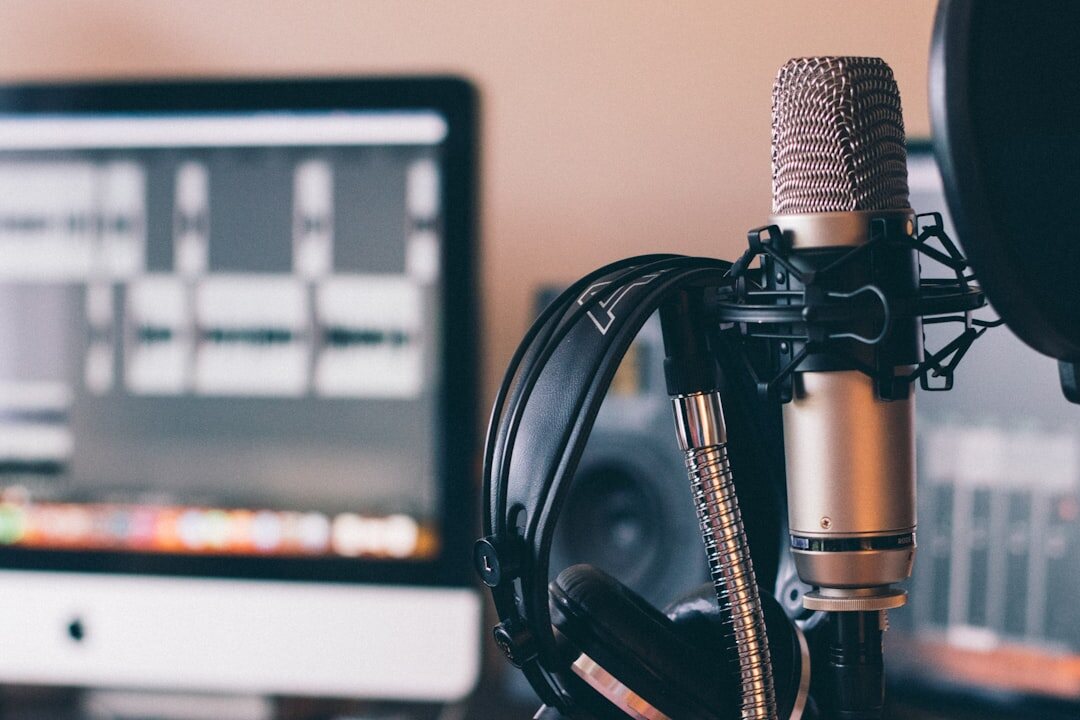
Acoustic foam panels look professional but are not always necessary. Instead, hang moving blankets on walls or use bass traps made from rockwool in corners. These low-cost materials tame reflections effectively. Position your chair so you face away from windows and doors to reduce outside sounds. A simple foam shield around the mic can also cut down on plosives from words like “p” and “b.”
Lighting and Comfort Matter Too
Good lighting helps you stay focused during long recording sessions. A ring light or even a desk lamp with a warm bulb creates a pleasant atmosphere without costing much. Make sure your chair supports good posture so you can record for an hour without discomfort. Keep water nearby and notes within reach so you do not have to stand up mid-episode.
Software and Editing Basics
Free or low-cost software handles most editing needs. Programs like Audacity or Reaper let you remove background noise, adjust levels, and add simple music beds. Learn keyboard shortcuts early to speed up the process. Export files in standard formats so they upload cleanly to hosting platforms. If you plan to grow, consider a paid tool later that offers more advanced features, but start simple while you learn.
Scaling Up Over Time
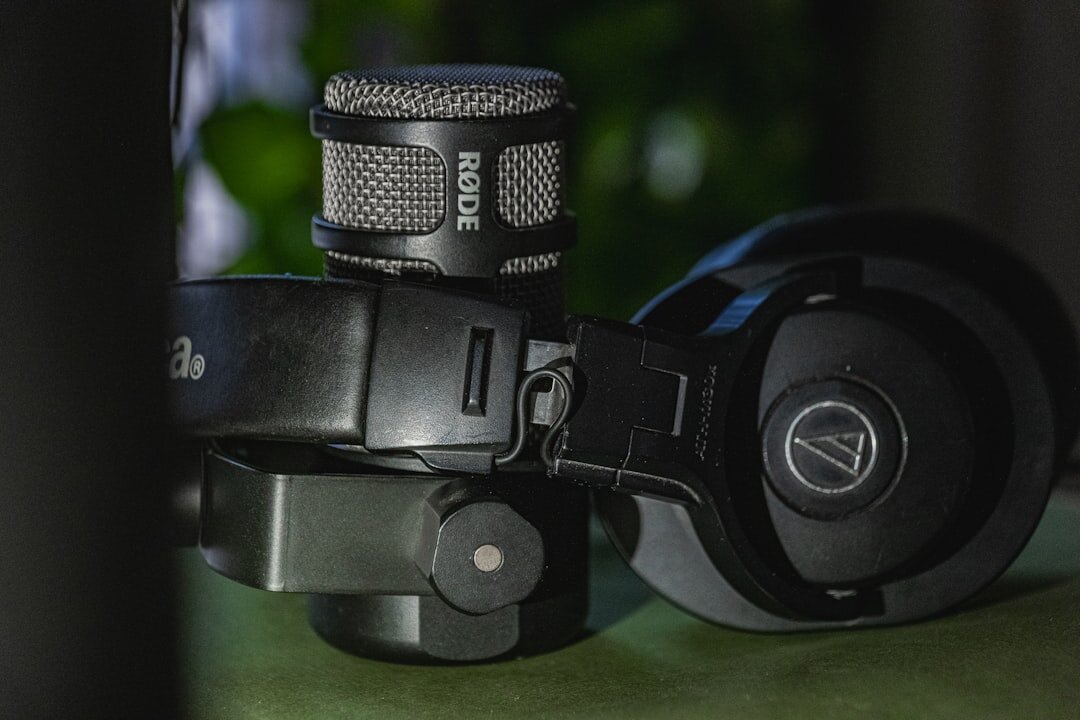
Once your show gains listeners you can upgrade one piece at a time. Add a second mic, improve your headphones, or invest in better monitors. Many creators begin with basic gear and replace items gradually as income from sponsorships or listener support increases. Flurixo offers starter kits that bundle reliable essentials, making it easy to expand without guessing which brands work well together.
Remember that consistency beats perfection. Record regularly, listen back to your episodes, and make small improvements each month. Your audience will appreciate clear sound and engaging content far more than fancy equipment. With patience and smart choices you can build a studio that feels like your own creative haven no matter the starting budget.