Studio Secrets for Crystal Clear Podcast Sound
By Jordan Hale
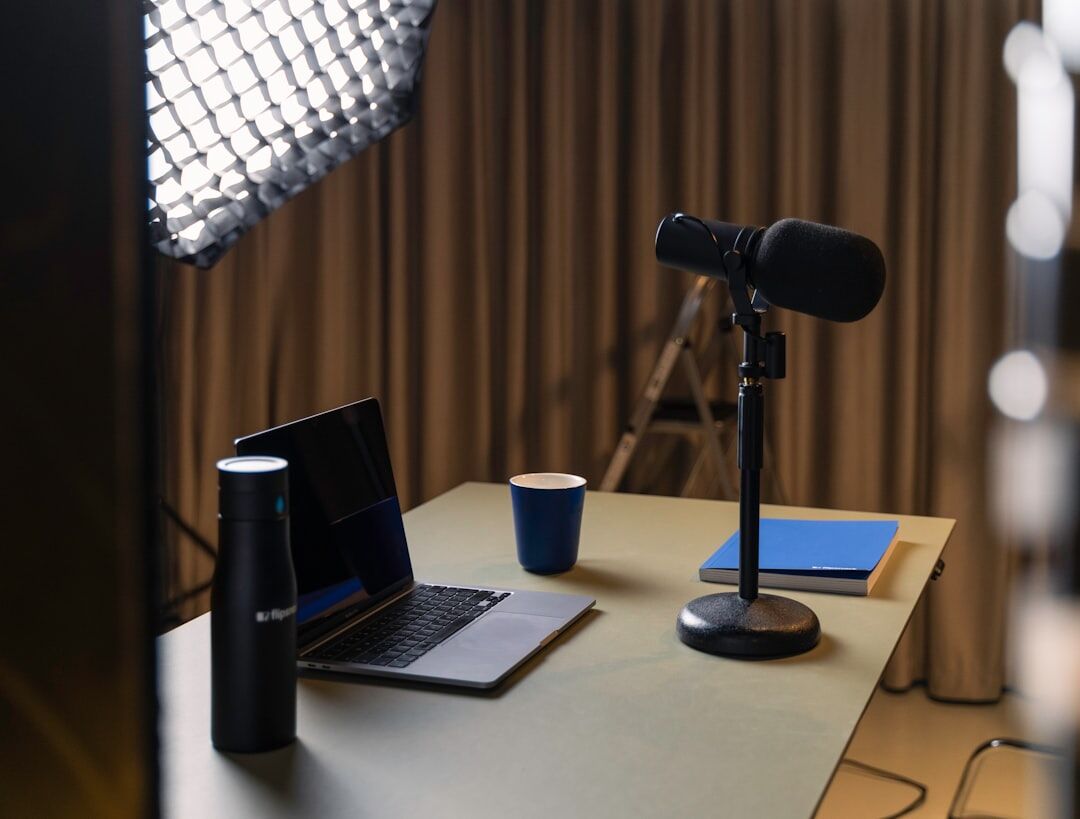
Getting that pristine audio in your podcast can feel like chasing perfection, but with the right approach it becomes second nature. At Flurixo we have spent years refining our spaces and workflows to cut through the noise and deliver voices that pop without any harsh edges or muddy undertones.

Start with the Room Itself
Before you even touch a microphone, think about the space. Echo and background hum ruin more episodes than bad gear ever will. Thick acoustic panels on the walls and a heavy rug underfoot absorb reflections that make voices sound distant. We recommend positioning your desk away from windows and air vents to avoid subtle drafts that the mic will pick up as low rumble.
Microphone Placement Matters
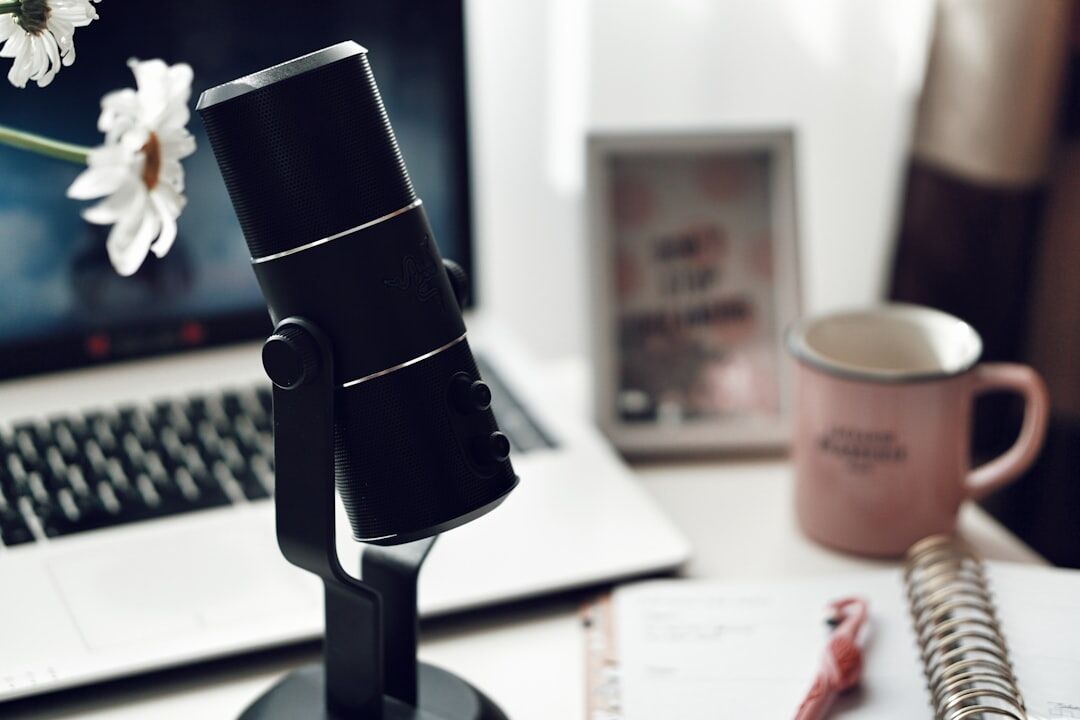
Once the room is quiet, focus on where the mic sits. Keep it six to eight inches from your mouth and slightly off to the side to reduce plosives from P and B sounds. A pop filter helps, yet the angle often does more work. Experiment with a boom arm so you can fine-tune height without moving your chair each time.
- Use a shock mount to stop desk vibrations traveling up the stand.
- Angle the capsule toward your mouth rather than straight on for warmer tone.
- Test levels while speaking naturally instead of projecting.
Choosing the Right Gear
Not every condenser needs to be expensive. Dynamic mics handle untreated rooms better because they reject off-axis noise. Pair yours with a clean preamp that adds minimal coloration. At Flurixo we keep a few favorites on hand so guests can try different flavors before committing to a full session.
Clear sound is less about chasing the newest toy and more about knowing how each piece interacts with your voice and space.
Monitoring and Levels
Always wear closed-back headphones while recording. This lets you catch breathing noises or chair creaks before they become permanent. Keep your input levels peaking around -6 dB so there is headroom for editing later. Overdriven audio cannot be fixed, no matter how skilled the engineer.
Post-Production Polish
Even great raw tracks benefit from light processing. A gentle high-pass filter removes rumble below 80 Hz. Subtle compression evens out volume spikes without flattening emotion. Noise reduction should be applied sparingly; too much and the voice starts to sound artificial. We often finish with a touch of saturation to add warmth that makes listeners lean in.
Finally, export at 44.1 kHz and 16-bit or higher. Listeners notice the difference when files are mastered with care rather than rushed through a preset chain. These steps, repeated consistently, turn average recordings into episodes people replay and share.